
Selous Game Reserve Tanzania
Selous Game Reserve Tanzania – Discover Nyerere National Park
Selous Game Reserve Tanzania, recently renamed Nyerere National Park, is one of Africa’s most spectacular and untouched wilderness areas. Located in southern Tanzania, this vast landscape of savannah plains, winding rivers, and dense woodlands is a UNESCO World Heritage Site known for its pristine beauty, rich wildlife, and peaceful atmosphere away from the crowds of northern safari circuits.
Covering over 30,000 square kilometres, the Selous is nearly four times the size of the Serengeti, making it one of the largest protected areas on the continent. The reserve was originally named after Frederick Courteney Selous, a British explorer, hunter, and conservationist. In 2019, Tanzania renamed its northern section Nyerere National Park to honour the country’s founding father, Mwalimu Julius Nyerere.
This park forms part of a massive ecosystem that supports an incredible diversity of animals and plants. It’s one of the few remaining places on Earth where visitors can still experience a truly wild African safari, complete with elephants crossing the Rufiji River, hippos wallowing in oxbow lakes, and lions resting under acacia trees.
Unlike the busy safari circuits of Serengeti or Ngorongoro, Selous offers an authentic, off-the-beaten-track experience, perfect for travellers seeking exclusivity, intimacy, and a connection with nature in its rawest form.
Location and Geography
Selous Game Reserve Tanzania, lies in southern part of the country, about 230 kilometres southwest of Dar es Salaam. It stretches across several regions — Morogoro, Lindi, Pwani, Ruvuma, and Mtwara — encompassing diverse habitats from open grasslands to thick miombo woodlands and wetlands.
At the heart of the park lies the Rufiji River, Tanzania’s largest and most important waterway. The river snakes through the park, creating a complex network of channels, oxbow lakes, and swamps that sustain an extraordinary variety of wildlife. The northern section, designated as Nyerere National Park, covers approximately 30,893 square kilometres, making it Tanzania’s largest national park.
This vast area provides crucial ecological corridors for elephants, African wild dogs, lions, leopards, crocodiles, and over 440 bird species. The park’s mix of ecosystems — from dry savannahs to riverine forests — makes it one of the most biodiverse landscapes in East Africa.
How to Get to Selous Game Reserve
By Air
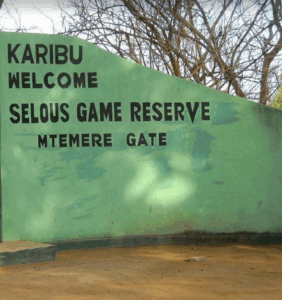
The easiest and most time-efficient way to reach Selous (Nyerere) is by air. Several scheduled flights connect Dar es Salaam, Arusha, and Zanzibar to various airstrips within the park, including Mtemere, Beho Beho, Siwandu, and Rufiji River airstrips.
-
Flight duration: 45 minutes from Dar es Salaam or 1 hour 30 minutes from Zanzibar.
-
Airlines operating: Coastal Aviation, Auric Air, and Safari Air Link offer daily services.
Flying not only saves time but also allows you to enjoy breathtaking aerial views of the Rufiji River delta and vast wildlife plains below.
By Road
For adventure seekers, a road safari is possible. The drive from Dar es Salaam to the park takes 5–6 hours via Kibiti or Morogoro and Kisaki. The journey is scenic, offering glimpses of rural villages and baobab-studded landscapes. However, roads can be rough, especially during the rainy season (March–May), so a 4×4 vehicle is essential.
By Train
Another unique option is the Tanzania–Zambia Railway (TAZARA), which runs from Dar es Salaam to Kisaki station, near the northern entrance of Selous. From there, you can connect by safari vehicle to your lodge. It’s a slower but memorable journey through Tanzania’s countryside.
Top Activities in Selous Game Reserve (Nyerere National Park)
Selous offers one of the most diverse safari experiences in Africa. Here, you can enjoy traditional game drives, boat safaris, walking tours, and fly-camping – all within one destination.
1. Game Drives
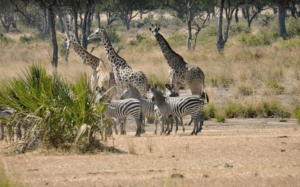
Game drives are the most popular activity, offering a chance to explore different habitats and spot a wide range of wildlife. Early morning and late afternoon drives reveal elephants, giraffes, zebras, buffaloes, wildebeests, and predators such as lions, leopards, and African wild dogs.
Because of the park’s vastness and limited visitor numbers, you often have entire areas to yourself — a rare luxury compared to more crowded reserves.
2. Boat Safaris on the Rufiji River
One of Selous’ signature experiences is a boat safari along the Rufiji River. Glide past pods of hippos, crocodiles basking on sandbanks, and hundreds of waterbirds. Sunset cruises are especially magical, as the sky glows orange and the sounds of the wild echo across the water.
This activity offers a unique perspective — instead of watching animals from a vehicle, you see them from the water, often just metres away.
3. Guided Walking Safaris
Few parks in Africa offer walking safaris as immersive as those in Selous Game Reserve Tanzania. Accompanied by an armed ranger and expert guide, you’ll explore the bush on foot, learning to identify animal tracks, medicinal plants, and birds.
Walking brings you close to nature’s rhythm – you’ll hear the rustle of the wind through grass, smell the earth, and perhaps encounter elephants or giraffes at a safe distance. It’s the most intimate way to experience the African wilderness.
4. Birdwatching
With over 440 recorded species, Selous is a paradise for bird enthusiasts. Common sightings include fish eagles, African skimmers, kingfishers, storks, pelicans, and bee-eaters.
The wetlands and riverbanks are particularly active in the early morning and evening. Migratory birds arrive between November and April, making this the best time for avid birdwatchers.
5. Fly Camping & Photographic Safaris
For the adventurous traveller, fly camping – sleeping under mosquito nets beneath the stars — offers an unforgettable night in the wild. These minimal-impact camps provide a deep sense of solitude and connection to the land.
Photographic safaris are also popular. The lighting, landscapes, and abundance of wildlife make Selous an exceptional destination for both professional and amateur photographers.
6. Cultural Visits
Many lodges arrange community visits to nearby Mloka and Matambwe villages, giving you insight into traditional Tanzanian life. You can learn about local crafts, music, and the balance between conservation and community livelihoods.
Where to Stay – Best Lodges and Camps in Selous (Nyerere)
Accommodation in Selous ranges from rustic bush camps to ultra-luxury lodges. Because the park covers such a vast area, lodges are spread out, ensuring exclusivity and privacy for every guest.
Luxury Lodges
-
Siwandu Camp: Overlooks Lake Nzerakera, offering elegant tented suites with open-air showers and boat access.
-
Beho Beho Lodge: A high-end camp set on a hill, known for personalised service, walking safaris, and gourmet dining.
-
The Retreat Selous: Combines safari adventure with spa indulgence — ideal for honeymooners or wellness travellers.
Midrange Lodges
-
Selous Serena Camp: Offers tented accommodation with comfort and excellent dining on the Rufiji River banks.
-
Selous Kinga Lodge: A charming property with a pool, ideal for couples and families.
-
Rufiji River Camp: Great for midrange travellers, with boat access and scenic views of the river.
Budget and Adventure Options
-
Africa Safari Camp Selous: Budget-friendly yet comfortable, offering guided tours and local-style hospitality.
-
Selous Jimbiza Camp: Perfect for travellers seeking value and adventure, close to Mtemere Gate.
-
Lake Manze Camp: Rustic, eco-friendly, and known for close wildlife encounters around camp.
Each camp operates seasonally, usually open from June to March. The dry season (June–October) is best for wildlife viewing, while green season (November–March) offers lush scenery and excellent birdlife.
Best Time to Visit Selous Game Reserve
The ideal time to visit Selous Game Reserve depends on what you want to experience:
-
Dry Season (June to October):
-
Best time for wildlife viewing — animals gather around water sources.
-
Fewer mosquitoes and pleasant temperatures.
-
Perfect for game drives and walking safaris.
-
-
Wet Season (November to March):
-
Lush green landscapes and great for birdwatching.
-
Fewer tourists and lower lodge rates.
-
Some roads may become difficult to access.
-
Conservation and Wildlife Protection
Selous (Nyerere) plays a critical role in Tanzania’s conservation strategy. It protects important elephant corridors and habitats for endangered species like the African wild dog and black rhino.
The park is managed by Tanzania National Parks Authority (TANAPA), which continues to strengthen anti-poaching patrols and sustainable tourism initiatives.
By visiting Selous, travellers contribute directly to community development and wildlife conservation, ensuring the future of this extraordinary ecosystem.
Frequently Asked Questions (FAQs)
1. What is the difference between Selous Game Reserve and Nyerere National Park?
Originally known as Selous Game Reserve, the northern portion was renamed Nyerere National Park in 2019 and placed under TANAPA management. The change was part of a strategy to promote sustainable tourism and conservation under national park standards.
2. Do I need a permit to enter Selous/Nyerere?
Yes. Entry fees are paid at the gate or through your tour operator. As of 2025, adult non-residents pay USD 70 per person per day, and children (5–15 years) pay USD 20.
3. What wildlife can I see?
You can see elephants, lions, leopards, buffaloes, giraffes, zebras, hippos, crocodiles, wildebeests, and many bird species. The park is one of the last strongholds for the endangered African wild dog.
4. How many days do I need to explore Selous Game Reserve Tanzania?
A 3–4 day safari allows enough time for game drives, a boat safari, and a walking experience. However, for full immersion, 5–6 days provide a slower, more rewarding pace.
5. Is it safe to visit Selous?
Yes. The park is safe for tourists when guided by professional operators and rangers. Always follow your guide’s instructions and stay inside designated areas during game activities.
6. Can I combine Selous with other destinations?
Absolutely. Many travellers combine Selous with Ruaha National Park, Mikumi, or the Zanzibar beaches for a perfect bush-and-beach holiday.
Discover the Soul of Tanzania
Selous Game Reserve, now proudly known as Nyerere National Park, remains one of Africa’s last great wilderness frontiers. Its untouched landscapes, powerful rivers, and abundant wildlife offer a safari experience unlike any other – authentic, exclusive, and deeply moving.
Whether you’re gliding down the Rufiji River at sunset, tracking lions through golden grasslands, or waking to birdsong in a remote camp, every moment in Selous connects you to the wild heart of Africa.
If you long for a safari that combines serenity, adventure, and raw natural beauty, Selous Game Reserve is your destination — a place where nature still reigns supreme.