
How safe is gorilla trekking? is gorilla trekking dangerous?
How safe is gorilla trekking? Are gorillas dangerous?
How safe is gorilla trekking? Gorilla Trekking is very safe. The manner in which gorilla trekking is conducted makes it one of the safest adventure travel experience for travellers.
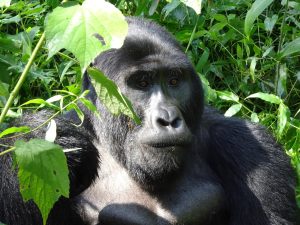
An informative guide on gorilla safaris Safety:
If the question of how safe gorilla safaris still linger in your mind, you are at the right place for the right answers. Despite Mountain gorillas being large, they are generally shy, gentle, and peaceful in nature. Gorilla safaris are thus safe and guarantee an incredible experience to have in a lifetime.
Are Gorilla Safaris Safe?
Habituation Process Ensures Safety
Before gorilla families are opened for trekking, they go through a habituation process. During this time, they are gradually exposed to humans in the wild. This helps them understand that people are not a threat.
Gorillas’ Nature and Behaviour
Mountain gorillas are vegetarian. They live in dense forests and spend most of their time eating. Although muscular, intelligent, and strong, they can be trained to tolerate human presence. Over time, they become comfortable with tourists and guides they see daily. This makes gorilla trekking much safer.
Guides Play a Key Role
Experienced guides teach you safety precautions and explain how to react in unpredictable situations. With these measures in place, you can enjoy every moment of your gorilla safari without fear.
Remember: They Are Still Wild Animals
However, gorillas remain wild. Like any wild animal, they can become suspicious in certain situations. If they feel threatened, they may react defensively.
When Gorillas Become Aggressive
On rare occasions, mountain gorillas may become dangerous—especially if someone disturbs their territory. When they charge, they can react aggressively with bites, thumping, dragging, or even breaking ribs. Without timely rescue, such encounters could be fatal.
Maintaining a Safe Distance
To prevent such situations, tourists must keep at least seven metres away from gorillas. Touching them is not allowed. This distance protects both you and the gorillas.
Follow Trekking Guidelines
For a safe and successful gorilla safari, follow the trekking guidelines given during the pre-trek briefing. These rules are designed to ensure your safety and the gorillas’ well-being. By respecting them, you’ll enjoy an unforgettable and incident-free gorilla trekking experience.
Frequently asked questions about gorillas
How safe is gorilla trekking?
Gorilla trekking is generally very safe when done with authorised guides and rangers. In Rwanda, Uganda, and the Democratic Republic of Congo, treks are led by trained park rangers who follow strict safety protocols. The gorillas visited are habituated to human presence, meaning they are accustomed to seeing people and are non-aggressive unless threatened. Rangers also keep a safe viewing distance of about 7–10 metres to protect both visitors and gorillas.
Is gorilla trekking dangerous?
Gorilla trekking is not considered dangerous when you follow your guide’s instructions. Mountain gorillas are gentle giants, and violent encounters are extremely rare. The main challenges come from the trek itself—steep terrain, high altitudes, and slippery trails, especially during the rainy season. Wearing sturdy boots, carrying enough water, and being physically prepared will help make your trek safer and more enjoyable.
How dangerous are gorillas?
Gorillas are not dangerous wild apes but will only attack when their peace is disturbed through being threatened or intimidated after several warnings from them. They usually attack people or poachers who do not follow rules being given to them on how to stay in the presence of gorillas. Gorilla safaris are safe.
Are gorillas friendly?
The fact that they share 98% of their DNA with human beings only proves that they are more like us. Gorillas are social animals and only become aggressive towards humans when they feel threatened. Your gorilla safari offers fascinating memories that you will live to remember.
Do gorillas like humans?
Despite being wild animals, gorillas can indeed be trained and they get very close to humans just like Dian Fossey who lived with mountain gorillas and had this to say “I feel more conformable being with gorillas than being around people”.
What are gorillas afraid of?
Just like all other living things, gorillas have got some fears, they do not like certain reptiles such as chameleons, caterpillars. These are what are gorillas are scared/afraid of. They are also afraid of water and will cross streams only if they can do so without getting wet, such as by crossing over fallen logs. Gorillas are also known to dislike rain.
What should I wear for gorilla trekking?
Wear lightweight, long-sleeved shirts and trousers to protect against scratches and insect bites. Choose sturdy, waterproof hiking boots with good grip for navigating steep and muddy terrain. Bring a waterproof jacket, especially in the rainy season, and pack gardening gloves to help grip vegetation during the trek. Neutral colours like green, brown, and khaki blend well with the forest environment.
Are there age limits for gorilla trekking?
Yes. The minimum age for gorilla trekking in Rwanda, Uganda, and the Democratic Republic of Congo is 15 years old. This rule ensures participants are physically capable of completing the trek and can follow safety guidelines around the gorillas. There is no strict maximum age, but trekkers should be in good health and reasonably fit.
How long does a gorilla trek take?
A gorilla trek can take anywhere from 2 to 6 hours depending on the gorillas’ location that day. This includes hiking through forests, hills, and sometimes steep terrain. Once you find the gorilla family, you can spend a maximum of one hour observing them.
Do I need a permit for gorilla trekking?
Yes. A gorilla trekking permit is mandatory in all three countries where mountain gorillas are found. In Rwanda, permits cost USD 1,500 per person, while in Uganda they cost USD 800. Permits should be booked well in advance as they are limited and sell out quickly, especially during peak seasons.
Gorilla safaris consultants are the expert to plan with you your safari for ultimate African safari experiences.