
Currency in Uganda: What Visitors Should Know
Currency in Uganda: What Visitors Should Know!
Planning a trip to Uganda is exciting. You imagine gorilla trekking, wildlife safaris, white water rafting and warm local hospitality. It’s important to understand the currency in Uganda is essential for a smooth travel experience. This guide explains what you need to know — from the official currency to exchange rates, payment methods, and safety tips.
The Official Currency of Uganda
The Ugandan Shilling (UGX)
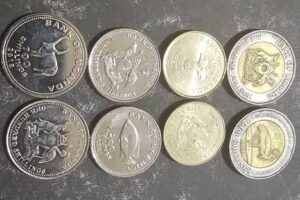
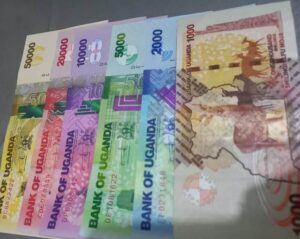
Uganda’s official currency is the Ugandan Shilling, abbreviated as UGX. It is the primary medium of exchange for all goods and services. Notes come in denominations of 1,000, 2,000, 5,000, 10,000, 20,000, and 50,000 shillings. Coins range from 50 to 1,000 shillings.
Currency Symbol and Code
- Symbol: USh or UGX
-
ISO Code: UGX
-
Example: UGX 50,000 is written as 50,000/= in local style.
Understanding Uganda’s Exchange Rates
Current Exchange Rates
Exchange rates change daily. As of 2025, 1 US Dollar exchanges for around UGX 3,500–3,700. The Euro exchanges for UGX 4,000–4,300, and the British Pound for UGX 4,800–5,200. Always confirm the latest rates before exchanging money.
Where to Find Reliable Rates
-
Banks post daily exchange rates.
-
Forex bureaus display rates outside their offices.
-
Tour operators like Gorilla Safari Consultants can advise on fair rates.
Which Currency Should You Carry?
US Dollars – The Most Widely Accepted
The Ugandan Shilling is the official currency, US Dollars are widely accepted for tourism services. Hotels, safari lodges, and national park fees are often quoted in USD.
Important: Only carry new US Dollar bills printed after 2009. Older notes are often rejected due to counterfeiting concerns.
Euros and British Pounds
You can exchange Euros and Pounds at banks and forex bureaus. However, USD offers a better exchange rate and provides greater convenience for travellers. Furthermore, many tourism businesses prefer USD, making it the most practical currency to carry.
Where and How to Exchange Money in Uganda
Forex Bureaus
Forex bureaus are common in cities like Kampala, Entebbe, and Jinja. Moreover, they offer competitive rates and handle transactions ranging from small to large amounts. In addition, they do not charge commission fees.
Banks
Major banks such as Stanbic, Centenary, Diamond Trust Bank, Equity Bank, Orient Bank, and Absa actively exchange foreign currency. Typically, they operate from 9 AM to 4 PM, Monday to Friday, and offer shorter hours on Saturdays.
Airports
Entebbe International Airport has exchange counters. However, rates may be slightly less favourable than in town.
Using Credit and Debit Cards in Uganda
Where Cards Are Accepted
Visa and Mastercard are accepted in major hotels, safari lodges, restaurants, and supermarkets in big cities. However, rural areas and small businesses mostly operate on cash.
Card Payment Charges
Expect a 3–5% transaction fee on card payments. Inform your bank before travel to avoid blocked transactions.
Mobile Money – A Popular Payment Method
What is Mobile Money?
Mobile money services like MTN Mobile Money and Airtel Money allow you to pay using your phone. It’s widely used for bills, shopping, and transfers.
Can Visitors Use Mobile Money?
Yes, but you’ll need a local SIM card and registration. Some tour operators accept mobile money payments from foreign cards via special platforms.
How Much Cash Should You Carry?
For City Stays
Carry enough cash for small purchases, taxis, meals, and tips. Around UGX 200,000–500,000 is sufficient for daily expenses in urban areas.
For Safari Tours
Safari packages are usually prepaid. However, bring extra cash for drinks, souvenirs, and tips for guides and lodge staff.
Safety Tips for Handling Currency in Uganda
Avoid Street Money Changers
Always exchange money at licensed forex bureaus or banks. Street changers may offer good rates but pose high risks of scams or fake notes.
Split Your Cash
Don’t carry all your money in one place. Keep some in your wallet, some in your hotel safe, and a small emergency reserve hidden.
Use a Money Belt
When travelling in crowded areas, use a concealed money belt to prevent pickpocketing.
ATMs in Uganda
Availability
ATMs are available in all major towns. They dispense Ugandan Shillings and accept international cards, mainly Visa and Mastercard.
Withdrawal Limits
Daily limits range from UGX 400,000 to UGX 2,000,000 depending on the bank. Your home bank may also have withdrawal restrictions.
Currency for National Park Fees and Safaris
Payment Requirements
Pay national park fees, including gorilla and chimpanzee permits, in USD. Make payments in advance through a tour operator.
Reasons Why the USD is Preferred
USD is stable and makes international transactions easier for tourism authorities.
Practical Currency Tips for Visitors
Small Denominations are Handy
Carry smaller bills (UGX 1,000–10,000) for boda-boda rides, street food, and markets. Larger notes can be difficult to change.
Keep Notes in Good Condition
Ugandan banks and businesses often reject torn or dirty notes. Keep your cash clean and neatly folded.
Frequently Asked Questions About Currency in Uganda
Can I use US Dollars everywhere in Uganda?
No. While many tourism businesses accept USD, small shops and rural markets deal only in Ugandan Shillings.
Is it better to exchange money before arriving in Uganda?
You can, but rates are usually better in Uganda, especially at local forex bureaus.
Are traveller’s cheques accepted?
Not anymore. Traveller’s cheques are not practical in Uganda.
Final Thoughts on Currency in Uganda
When you understand the currency in Uganda, you avoid payment problems during your trip. Therefore, carry a mix of Ugandan Shillings and USD to enjoy flexibility in different transactions. Moreover, use licensed exchange services, keep your cash secure, and carry a card for emergencies to ensure smooth payments.
With this preparation in place, you can fully focus on experiencing Uganda’s incredible wildlife, breathtaking landscapes, and warm hospitality — without worrying about money matters.