
Chimpanzee Trekking in Tanzania – A Remarkable Primate Adventure
Chimpanzee trekking in Tanzania offers one of Africa’s most thrilling wildlife experiences. Unlike the classic Big Five safaris, this adventure immerses travellers deep into tropical rainforests where humans and chimps meet eye-to-eye in the wild. Tanzania is home to some of East Africa’s most important chimpanzee populations, protected within pristine forest reserves.
When most people think of safaris in Tanzania, they imagine the vast Serengeti plains filled with lions and wildebeests, or the dramatic Ngorongoro Crater teeming with wildlife. Yet tucked away in the western and southern corners of this beautiful country lies one of Africa’s most intimate and inspiring wildlife experiences — chimpanzee trekking.
Chimpanzee trekking in Tanzania allows you to step into the dense tropical forests, listen to the echoes of hoots and rustling leaves, and witness these intelligent, playful, and emotional creatures up close in their natural habitat. Unlike the big-game safaris of the north, chimpanzee trekking connects you deeply to the forest — it’s quiet, personal, and powerfully moving.
Tanzania is home to some of the last remaining wild populations of chimpanzees in Africa, protected in national parks such as Gombe Stream, Mahale Mountains, and Rubondo Island. Each offers a distinct experience — from lakeside hikes to remote jungle treks — making Tanzania a true primate-watching paradise.
What is Chimpanzee Trekking?
Chimpanzee trekking is an adventurous activity that involves hiking through forests to locate and observe chimpanzees in the wild. Unlike zoo visits or sanctuary encounters, this experience happens entirely in their natural ecosystem, under the guidance of experienced park rangers and trackers.
Treks can last anywhere from 30 minutes to 4 hours, depending on the chimps’ location that day. Once found, visitors are usually allowed one hour to observe and photograph them as they eat, play, groom, or swing through the trees.
Because chimpanzees share about 98% of their DNA with humans, watching them feels like peering into a mirror — their interactions, emotions, and family bonds are remarkably human-like.
Why Trek Chimpanzees in Tanzania?
Tanzania stands out among African destinations for chimpanzee trekking due to its rare combination of untouched forests, low tourist numbers, and pristine settings. Unlike the crowded gorilla treks in Central Africa, Tanzania’s chimp experiences are peaceful and immersive.
Unique Reasons to Choose Tanzania
-
Pristine Habitats: The chimpanzee populations in Tanzania live in protected rainforest sanctuaries along Lake Tanganyika and Lake Victoria — far from mass tourism.
-
Small Trekking Groups: Visitor numbers are limited, ensuring exclusive, intimate encounters.
-
Rich Biodiversity: The forests also host red colobus monkeys, bushpigs, forest antelopes, and hundreds of bird species.
-
Scenic Beauty: Chimp trekking here combines mountains, tropical rainforests, and lakeside beaches — a unique fusion of land and water.
-
Adventure Factor: Getting to these parks — often by boat or bush plane — adds an exciting element of discovery.
Where to Go Chimpanzee Trekking in Tanzania
Tanzania offers three main destinations for chimpanzee trekking: Gombe Stream National Park, Mahale Mountains National Park, and Rubondo Island National Park. Each has its own character, level of remoteness, and accessibility.
Gombe Stream National Park – The Cradle of Chimpanzee Research
Gombe Stream National Park is the smallest national park in Tanzania, covering just 52 square kilometres, but it holds enormous significance in the world of primate conservation. This is where Dr Jane Goodall began her pioneering chimpanzee research in 1960, transforming our understanding of human evolution and animal behaviour.
Located on the eastern shore of Lake Tanganyika, near the town of Kigoma, Gombe is a tropical forest paradise of steep valleys, waterfalls, and dense vegetation.
Chimpanzee Experience
Gombe’s chimps are fully habituated, making encounters almost guaranteed. Treks begin early in the morning, as guides follow the chimps’ movements using long-term research knowledge.
You’ll hike through forests filled with red colobus monkeys, blue monkeys, and olive baboons, all while listening to the distant hoots of chimpanzees echoing through the canopy. Once found, watching them interact — mothers grooming infants, males displaying dominance, or playful juveniles swinging through vines — is breathtaking.
Other Attractions
-
Swimming and snorkelling in Lake Tanganyika
-
Hiking to Kakombe Waterfall and Jane’s Peak, where Goodall first observed chimp behaviour
-
Birdwatching (over 200 species recorded)
How to Get There
-
Fly from Dar es Salaam or Arusha to Kigoma Airport
-
From Kigoma, take a boat ride (1–2 hours) to Gombe Stream National Park
Best Time to Visit
The best period for chimpanzee trekking in Gombe is during the dry season (June to October) when forest trails are drier and chimps are easier to locate.
Mahale Mountains National Park
Located further south along Lake Tanganyika, Mahale Mountains National Park is arguably the most beautiful and remote chimpanzee destination in Africa. Covering 1,613 square kilometres, Mahale is dominated by the rugged Mahale Mountain range and lush forests that plunge dramatically into the lake’s turquoise waters.
This is home to the largest known population of wild chimpanzees in East Africa — around 800 individuals. About 60 of them have been habituated to human presence by the long-term Mahale Chimpanzee Research Project.
Chimpanzee Experience
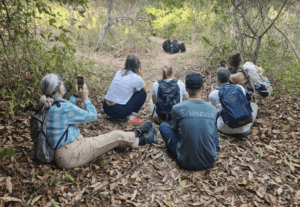
Chimp trekking in Mahale is truly wild. There are no roads — visitors hike on foot, often starting from the beach lodges and following forest trails deep into the park.
Treks can be steep and humid, but the reward is unforgettable. Watching a group of 20 or more chimps socialising, grooming, or climbing trees amidst rays of sunlight piercing the jungle canopy is one of the most profound wildlife experiences imaginable.
Since Mahale’s chimps are less disturbed by humans, their behaviour is natural and fascinating to observe.
Other Attractions
-
Boat safaris and swimming in Lake Tanganyika
-
Forest walks to see colobus monkeys, bushpigs, and hornbills
-
Hiking to Mount Nkungwe (2,462 m), the park’s highest peak
-
Relaxing on pristine sandy beaches — a rare combination of mountain and tropical scenery
How to Get There
Mahale is remote and accessible mainly by charter or scheduled flights from Arusha, Dar es Salaam, or Serengeti to Mahale Airstrip, followed by a boat transfer (1 hour) to the lodges.
Alternatively, travellers can take a ferry or private boat from Kigoma, which takes around 4–5 hours.
Best Time to Visit
June to October offers the best trekking conditions and highest chance of sightings, though the park remains lush and beautiful year-round.
Rubondo Island National Park – Chimpanzees of Lake Victoria
Far from the western mountain ranges lies another chimpanzee haven — Rubondo Island National Park — located in Lake Victoria, the world’s second-largest freshwater lake.
Covering 456 square kilometres, Rubondo is the only national park in Tanzania completely surrounded by water. It’s a unique blend of rainforest, swamp, and shoreline ecosystems that shelter both aquatic and terrestrial wildlife.
Chimpanzee Experience
In the 1960s, a group of chimpanzees rescued from European zoos was reintroduced to Rubondo Island by the Frankfurt Zoological Society. Over time, these chimps adapted perfectly to the wild and now form a thriving population.
Visitors can join the chimpanzee habituation experience, which helps researchers accustom the chimps to human presence. Trekking here involves navigating lush forests, listening for calls, and following footprints until you encounter the chimps — often feeding in fig trees or grooming by the lakeshore.
Other Attractions
-
Boat safaris to spot hippos and crocodiles
-
Sport fishing for Nile perch (up to 100 kg!)
-
Birdwatching (over 400 species, including African grey parrots and fish eagles)
-
Nature walks and canoeing along the island’s edge
How to Get There
Access Rubondo by charter flights from Arusha, Mwanza, or Serengeti to Rubondo Airstrip.
Alternatively, you can travel by road to Kasenda or Nkome, then cross Lake Victoria by boat (1–1.5 hours).
Best Time to Visit
June to October offers dry, comfortable trekking conditions, while November to April is ideal for birdwatching and photography.
Chimpanzee Trekking Permits and Costs in Tanzania
Each park has its own permit system and cost structure. Prices may vary slightly depending on the season and tour operator.
| Park | Permit Fee (per person) | Notes |
|---|---|---|
| Gombe Stream NP | USD 100–120 | Includes ranger guide and park entry |
| Mahale Mountains NP | USD 150–200 | Includes guiding fee, park entry, and conservation levy |
| Rubondo Island NP | USD 150 | For chimp habituation experience |
| Park Entry Fees (TANAPA) | USD 30 per adult/day | Excludes accommodation and transfers |
Essential Packing List for Chimpanzee Trekking
To enjoy the best experience and stay comfortable during your trek, pack wisely:
-
Lightweight, breathable clothing (long-sleeved shirts & trousers)
-
Comfortable hiking boots
-
Rain jacket or poncho
-
Insect repellent and sunscreen
-
Binoculars and camera
-
Drinking water and snacks
-
Waterproof bag for electronics
Always follow your guide’s advice — maintain silence around chimps, keep a safe distance (at least 10 metres), and never feed or touch them.
Best Time for Chimpanzee Trekking in Tanzania
Chimp trekking is available year-round, but the best months depend on your preferences:
-
June – October (Dry Season): Best for easy forest access, clear trails, and higher visibility.
-
November – April (Wet Season): Great for birdwatching and lush landscapes, though trails may be muddy.
Combining Chimpanzee Trekking with Other Safaris
The beauty of Tanzania lies in its diversity. You can combine chimpanzee trekking with classic wildlife safaris or beach escapes for a complete adventure.
Suggested Combinations
-
Serengeti & Mahale Safari: Fly from Serengeti to Mahale for a mix of savannah and forest wildlife.
-
Gombe & Lake Tanganyika Adventure: Combine trekking with lake cruises and village visits.
-
Rubondo & Ngorongoro Expedition: Experience Lake Victoria’s primates and the world-famous crater in one trip.
-
Chimp Trek & Zanzibar Beach Holiday: End your forest adventure with a few relaxing days on the Indian Ocean.
Responsible Chimpanzee Tourism
Tanzania’s chimpanzee tourism is based on strict conservation ethics. The Tanzania National Parks Authority (TANAPA) and organisations like Frankfurt Zoological Society and Jane Goodall Institute ensure that all trekking activities benefit wildlife protection and local communities.
By joining a trek, you directly support:
-
Anti-poaching and forest protection programmes
-
Local employment and education
-
Scientific research on primate conservation
Responsible travel ensures that these fascinating creatures continue to thrive in their natural home for generations to come.
Frequently Asked Questions (FAQs)
1. Are chimpanzees dangerous?
Chimpanzees are wild animals, but treks are guided by experienced rangers who ensure safety. Visitors must maintain a respectful distance and avoid sudden movements.
2. Do I need to be fit for trekking?
Moderate fitness is required. Trails can be steep, especially in Mahale and Gombe, but treks are paced to suit most visitors.
3. Can children join chimpanzee treks?
Generally, the minimum age is 15 years, for safety and conservation reasons.
4. How close can I get to the chimpanzees?
Usually, you can approach up to 10 metres, but this depends on the chimps’ behaviour.
5. What camera gear is recommended?
A camera with a zoom lens (70–200 mm) is ideal. Avoid flash photography, as it disturbs the animals.
6. Do I need vaccinations to visit?
Yellow Fever vaccination is recommended for Tanzania. Carry proof of vaccination, and consider malaria prophylaxis.
Chimpanzee trekking in Tanzania is not just a wildlife activity — it’s a journey into the heart of nature and our shared ancestry. From the misty jungles of Mahale to the historical forests of Gombe and the lake-fringed Rubondo Island, each destination offers a rare chance to connect deeply with one of our closest relatives.
Tanzania’s remote chimpanzee sanctuaries invite you to experience the wild in its purest form — silent forests, crystal lakes, and encounters that stay with you forever. Whether you’re a wildlife photographer, researcher, or simply an adventurer at heart, trekking with chimpanzees in Tanzania is a life-changing experience unlike any other.