
Ngorongoro Crater Tanzania
Ngorongoro Crater Tanzania – Ultimate Safari Guide to Wildlife, Lodges & the African Eden
Ngorongoro Crater is one of Africa’s most breathtaking natural wonders — a place where wildlife thrives in a world frozen in time. Located in northern Tanzania, this vast volcanic caldera is often called “The African Eden” for its unmatched beauty and incredible concentration of animals.
Formed millions of years ago, the crater shelters more than 25,000 large mammals, including lions, rhinos, elephants, buffaloes, and flamingos. For travellers seeking a safari destination that blends dramatic scenery, abundant wildlife, and luxurious comfort, Ngorongoro Crater is a true masterpiece of nature.
Location
The Ngorongoro Crater lies within the Ngorongoro Conservation Area, about 180 kilometres west of Arusha in northern Tanzania. It forms part of the renowned Northern Safari Circuit, which includes Serengeti, Tarangire, and Lake Manyara National Parks.
Covering around 260 square kilometres, the crater is the largest intact caldera in the world, with a rim rising over 2,200 metres above sea level and a floor sitting at about 1,800 metres. Inside, you’ll find a mix of grasslands, swamps, forests, and soda lakes — all supporting a rich tapestry of life.
Because the crater walls act as a natural barrier, many animal species remain here year-round, creating one of the densest wildlife populations in Africa.
How to Get to Ngorongoro Crater
Travelling to Ngorongoro is easy, whether you’re joining a guided safari or driving independently.
By Road
The crater is approximately 3–4 hours from Arusha by road. Most safaris include stops at Lake Manyara or Tarangire on the way. The scenic drive winds through Maasai villages and rolling highlands before reaching the crater rim — where the view will take your breath away.
By Air
You can fly from Arusha, Kilimanjaro, or Dar es Salaam to Lake Manyara Airstrip, located about an hour’s drive from the crater. From there, safari vehicles connect to lodges inside or near the rim.
If you’re continuing to Serengeti, charter flights operate daily between Ngorongoro and Seronera Airstrip.
Wildlife in Ngorongoro Crater
The Ngorongoro Crater is a wildlife paradise — a natural zoo without fences.
The Big Five and Beyond
You can spot all Big Five animals here:
-
Lions – More than 100 live in the crater, often seen resting in the open grasslands.
-
Elephants – Massive bulls with long tusks roam the forested slopes.
-
Buffaloes – Common throughout the crater floor.
-
Leopards – Often seen around the rim forests.
-
Rhinos – One of the few places in Tanzania where you can see endangered black rhinos in the wild.
Beyond the Big Five, the crater teems with zebras, wildebeests, gazelles, hippos, and flamingos. Hyenas and jackals play their role as scavengers, keeping nature’s balance.
Birdlife
With over 400 bird species, Ngorongoro is a birder’s paradise. Seasonal visitors like flamingos gather around Lake Magadi, while resident species such as ostriches, crowned cranes, and eagles dot the plains and skies.
Activities and Experiences
1. Game Drives
Game drives in Ngorongoro offer a chance to see incredible wildlife against the dramatic backdrop of the crater walls. Early morning drives are ideal for predators, while afternoons bring vibrant bird activity.
2. Crater Rim Walks
Guided walks along the crater rim reveal spectacular views and unique flora. Local Maasai guides share insights about plants, animals, and their traditional way of life.
3. Cultural Visits
Visit a Maasai boma (village) to experience authentic Maasai culture — from traditional songs and dances to learning how they coexist peacefully with wildlife.
4. Olduvai Gorge Visit
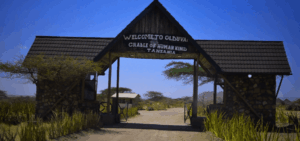
Just west of Ngorongoro lies Olduvai Gorge, one of the most important archaeological sites in the world. Known as the “Cradle of Humankind,” it’s where early human fossils dating back nearly two million years were discovered.
5. Photographic Safaris
Every inch of Ngorongoro is a photographer’s dream — misty mornings, vibrant wildlife, and panoramic crater views that shift with the light.
Accommodation in Ngorongoro Crater
Ngorongoro offers some of Tanzania’s most beautiful and luxurious safari lodges.
Luxury Lodges
-
Ngorongoro Crater Lodge (andBeyond) – Often called the “Game Lodge at the Top of the World,” this lodge combines opulence with breathtaking crater views.
-
The Highlands by Asilia Africa – A modern dome-style camp set high on the slopes, offering privacy and sweeping panoramas.
Midrange Options
-
Ngorongoro Serena Safari Lodge – Built into the crater rim with stone architecture that blends with the environment.
-
Rhino Lodge – Comfortable and affordable, located close to the crater gate.
Budget Stays
-
Simba Campsite – Popular with overlanders and adventure travellers seeking an authentic bush experience.
-
Crater Forest Tented Camp – A lovely eco-friendly lodge surrounded by forest.
Every property offers warm hospitality, fine cuisine, and guided activities to enhance your crater experience.
Best Time to Visit Ngorongoro Crater
You can visit Ngorongoro all year, but the best time depends on your preferences.
-
Dry Season (June – October): Best for wildlife viewing. Animals gather around water sources, and roads are dry and accessible.
-
Wet Season (November – May): The crater turns lush and green, perfect for photography and birdwatching. Calving season occurs from January to March, offering scenes of young animals and predator action.
The crater rarely gets unbearably hot due to its high altitude — expect cool mornings and pleasant afternoons.
Conservation and the Maasai Community
Ngorongoro’s success is built on coexistence. The Ngorongoro Conservation Area Authority (NCAA) manages the region as a multiple-use landscape, allowing the Maasai people to live alongside wildlife sustainably.
Visitor fees contribute directly to conservation projects, anti-poaching patrols, and community initiatives that support education and healthcare. When you visit, you become part of this effort to preserve Tanzania’s natural and cultural heritage.
Travel Tips
-
Bring warm clothing — mornings and evenings can be chilly.
-
Carry a good camera and binoculars for wildlife and landscapes.
-
Use sunscreen and insect repellent.
-
Book accommodation early, especially during peak season (June–October).
-
Combine Ngorongoro with Serengeti, Tarangire, or Lake Manyara for a complete northern Tanzania circuit.
Frequently Asked Questions (FAQs)
1. How deep is Ngorongoro Crater?
The crater is about 600 metres deep and 19 kilometres in diameter.
2. Can I stay inside the crater?
No. Lodges are located on or near the rim, offering panoramic views. Game drives take you down to the crater floor each day.
3. How long should I stay at Ngorongoro?
Two to three nights are ideal to enjoy crater tours, cultural visits, and the Olduvai Gorge.
4. Is Ngorongoro part of Serengeti?
Ngorongoro is a separate conservation area, but it connects naturally to Serengeti, forming part of the same ecosystem.
5. Can I see rhinos in Ngorongoro?
Yes. It’s one of the best places in Tanzania to see endangered black rhinos.
Ngorongoro Crater is more than a destination — it’s a living theatre of nature. From its mist-covered rim to the wildlife-rich plains below, every moment here feels sacred. The blend of scenery, wildlife, and culture makes it one of Africa’s greatest treasures.
Whether you come for luxury or adventure, Ngorongoro promises awe-inspiring beauty and timeless memories. Stand at the rim, look down into the ancient caldera, and you’ll understand why it’s called “The African Eden.”