
Tarangire National Park Tanzania
Tarangire National Park Tanzania – Ultimate Safari Guide to Wildlife, Lodges & Best Time to Visit
Tarangire National Park is one of Tanzania’s most enchanting wildlife destinations. It is famous for its massive elephant herds, towering baobab trees, and the seasonal migration of thousands of animals that roam its open plains. Located in northern Tanzania, this park offers a more intimate and less crowded safari experience than nearby Serengeti or Ngorongoro.
If you love untouched wilderness, striking scenery, and close wildlife encounters, Tarangire is a place you’ll never forget.
Location and Geography
Tarangire National Park lies in the ManyaraRegion of northern Tanzania, approximately 118 kilometres southwest of Arusha. The park covers about 2,850 square kilometres, making it the sixth-largest national park in Tanzania.
Its landscape is diverse—ranging from savannah grasslands and swampy floodplains to rocky ridges and river valleys. The Tarangire River, which flows year-round, is the park’s lifeline, attracting countless animals, especially during the dry season.
Because of this permanent water source, Tarangire remains a vital refuge for wildlife when other parks dry up.
How to Get to Tarangire National Park
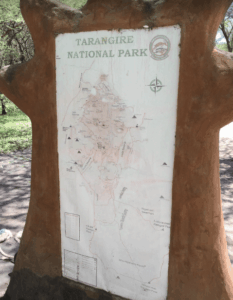
Reaching Tarangire National Park is easy and scenic.
-
By Road: From Arusha, the drive takes about 2–3 hours (roughly 118 km). The roads are well-maintained, making the journey comfortable for both safari vehicles and private transfers.
-
By Air: You can fly from Arusha, Kilimanjaro, or Dar es Salaam to the Tarangire Airstrip or Kuro Airstrip. Domestic airlines such as Coastal Aviation and Auric Air operate daily flights.
For those on a northern circuit safari, Tarangire fits perfectly between Lake Manyara and Ngorongoro Crater, making it ideal for a combined adventure.
Wildlife in Tarangire National Park
Tarangire is often called “The Land of Giants” for good reason. It hosts one of Africa’s largest elephant populations—with herds of up to 300 elephants roaming together.
Beyond elephants, the park is a sanctuary for:
-
Lions, leopards, and cheetahs
-
Buffaloes, giraffes, and zebras
-
Wildebeests, impalas, and eland
-
Baboons and vervet monkeys in riverine forests
During the dry season (June–October), thousands of animals migrate into the park in search of water, creating one of Tanzania’s most dramatic wildlife spectacles.
Bird lovers will be equally thrilled—Tarangire hosts over 550 bird species, including the yellow-collared lovebird, ashy starling, and Kori bustard, Tanzania’s national bird.
Activities and Experiences
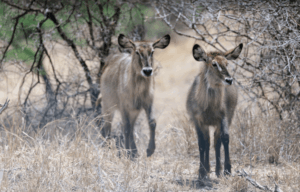
Tarangire National Park offers diverse experiences that go far beyond traditional game drives.
1. Game Drives
Morning and evening game drives reveal the park’s beauty at different times of day. Early mornings are perfect for predators, while afternoons highlight elephants cooling off near the river.
2. Walking Safaris
Guided walking safaris offer a close connection with nature. You’ll follow animal tracks, learn about plants, and see smaller creatures often missed from the vehicle.
3. Night Game Drives
Few parks in Tanzania allow night drives, but Tarangire is one of them. As darkness falls, nocturnal animals like porcupines, genets, and bushbabies emerge—an experience you’ll never forget.
4. Birdwatching
With over 550 recorded species, Tarangire is a paradise for bird enthusiasts. Swamps and riverine forests teem with colourful species, especially during the green season.
5. Cultural Visits
Visit nearby Maasai and Datoga villages to experience traditional dances, crafts, and daily life. These encounters add a rich cultural layer to your safari.
Accommodation in Tarangire National Park
Tarangire has lodges and camps to suit every budget and travel style. Whether you prefer rustic charm or five-star luxury, you’ll find a comfortable place to rest after your adventures.
Luxury Lodges
-
Tarangire Treetops by Elewana – A unique treehouse-style lodge with panoramic views.
-
Sanctuary Swala Camp – Offers stylish tented suites in the heart of the park.
Midrange Options
-
Tarangire Safari Lodge – Famous for its cliff-top location overlooking the Tarangire River.
-
Lake Burunge Tented Lodge – Combines comfort, scenic views, and excellent value.
Budget Camps
-
Whistling Thorn Camp – A simple yet authentic tented camp experience near the park gate.
-
Sangaiwe Tented Lodge – Offers affordable comfort with warm hospitality.
Each property provides guided activities, delicious meals, and breathtaking views of the surrounding savannah.
Best Time to Visit Tarangire National Park
You can visit Tarangire year-round, but the experience changes with the seasons.
-
Dry Season (June – October): The best time for wildlife viewing. Animals congregate around the Tarangire River, making sightings easy.
-
Wet Season (November – May): The park turns lush and green, attracting migratory birds. Roads are quieter, and lodges often offer reduced rates.
If you prefer fewer crowds and lower prices, travel during April or May. For classic safari experiences and dramatic wildlife action, August and September are unbeatable.
Practical Tips for Travellers
-
Carry a good camera and binoculars—Tarangire’s landscapes and wildlife are breathtaking.
-
Wear neutral-coloured clothing and comfortable shoes.
-
Bring insect repellent, sunscreen, and a wide-brimmed hat.
-
Always follow your guide’s instructions and respect wildlife distance.
-
If you’re combining parks, plan at least two nights here to fully enjoy its beauty.
Conservation and Community
Tarangire plays a crucial role in Tanzania’s wildlife conservation network. The park works closely with local communities to promote eco-friendly tourism and protect migration corridors that connect Tarangire with Lake Manyara and Ngorongoro.
By visiting, you directly support anti-poaching initiatives, community education, and sustainable development projects that help preserve this magnificent ecosystem.
Frequently Asked Questions (FAQs)
1. Is Tarangire National Park worth visiting?
Absolutely! Tarangire offers exceptional game viewing, fewer crowds, and stunning landscapes. It’s a perfect start or end to your northern circuit safari.
2. How many days do you need in Tarangire?
Two to three days are ideal to explore the park’s main areas and enjoy different activities such as game drives, walks, and night safaris.
3. Can you see the Big Five in Tarangire?
You can see four of the Big Five—lion, leopard, buffalo, and elephant. Rhinos are rarely found here.
4. Is Tarangire good for families?
Yes! Many lodges offer family-friendly tents, children’s activities, and nature walks designed for all ages.
5. How does Tarangire compare to Serengeti?
Tarangire is smaller and less crowded but just as rewarding. It’s known for elephants, baobabs, and intimacy—while Serengeti is famous for the Great Migration.
Tarangire National Park is a timeless treasure of northern Tanzania. With its majestic elephants, ancient baobabs, and tranquil atmosphere, it captures the essence of Africa’s wild beauty. Whether you seek adventure, photography, or peaceful connection with nature, Tarangire delivers an experience that stays with you forever.
Plan your visit, pack your sense of wonder, and step into Tanzania’s elephant kingdom—a place where the wild still reigns supreme.